
How to Navigate With No Tech When Everything Fails
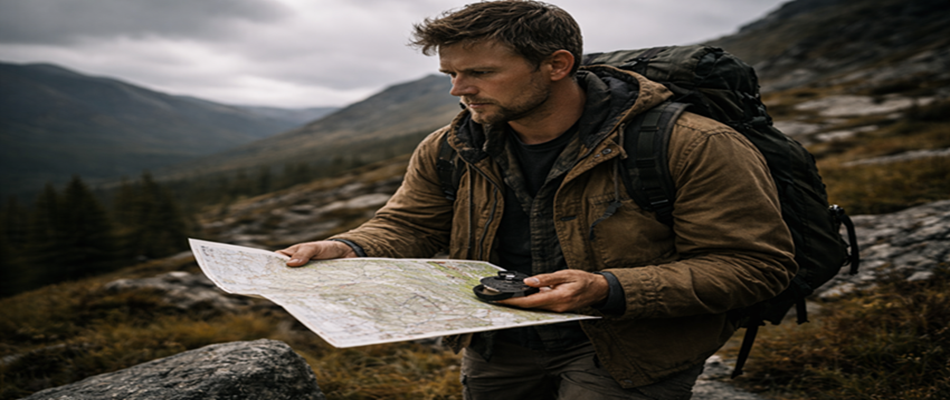
Technology has made navigation effortless until it doesn't.
Phones die. GPS units lose signal. Batteries fail in cold, wet, or remote environments. Screens crack. Software glitches. And when everything digital goes dark, what you're left with is the same question humans have faced for thousands of years:
Where am I, and how do I get where I need to go?
Knowing how to navigate without technology isn't about rejecting modern tools, it's about not being helpless when they stop working. This skill isn't dramatic, but it's critical. And it's one of the clearest dividing lines between panic and control in the backcountry.
Why tech-free navigation still matters
Modern navigation tools are incredible, but they create dependency.
When people rely exclusively on GPS:
* situational awareness drops
* terrain reading skills erode
* decision-making narrows
* panic rises quickly when tools fail
Traditional navigation keeps you engaged with the environment. It forces you to read the land, understand direction, and make deliberate choices. Those skills don't just keep you moving, they keep you calm.
The mindset shift: navigation starts before you move
Navigation without tech is less about tools and more about attention.
Before you ever take a step, ask:
* Where am I starting?
* What direction am I traveling?
* What major terrain features are nearby?
* What could stop or redirect me?
This habit called situational framing prevents disorientation before it begins.
Lost people often didn't get lost suddenly. They stopped paying attention gradually.
Map reading: your primary navigation tool
A paper map never loses signal.
What a map tells you
* terrain shape (via contour lines)
* elevation gain and loss
* water sources
* ridges, valleys, and passes
* man-made features
Learn to identify:
* ridges (high ground)
* drainages (low ground)
* saddles (low points between peaks)
* spurs (minor ridges)
These features guide movement naturally even without precise bearings.
Navigation essentials are:
Reliable maps, compasses, and waterproof cases are non-negotiable.
Grab your Navigation & survival gear at Sportsmans Warehouse:
(Simple tools. No dependence on batteries.)
Using a compass correctly (most people don't)
A compass isn't magic, it's a reference.
Core compass skills:
* setting a bearing
* following a bearing
* accounting for declination
* reorienting after obstacles
The biggest mistake? Treating a compass like a GPS arrow instead of a directional guide.
In real terrain:
* you'll detour around obstacles
* you'll adjust for slope and footing
* you'll recheck direction often
The compass keeps you honest, not rigid.
Terrain association: navigation without tools
Terrain association means navigating by matching what you see to what the map shows.
Instead of following a bearing constantly, you:
* move along ridgelines
* follow valleys or drainages
* use prominent landmarks
* aim off to known features
This method is powerful because:
* it works even if the compass breaks
* it keeps you oriented mentally
* it reduces small directional errors
If you know where the big features are, you rarely get truly lost.
Natural navigation cues (when tools are gone)
Nature offers consistent clues if you know how to read them.
The sun
* rises roughly east, sets west
* shadows shorten at midday
* consistent over short time frames
Vegetation
* growth may differ by slope exposure
* moss favors moisture, not compass direction (common myth)
Wind & weather
* prevailing wind patterns can indicate direction
* Storm movement often follows regional patterns
Natural navigation isn't precise, but it's often enough to stay oriented.
Dead reckoning, tracking your movement
Dead reckoning means knowing:
* How far you've traveled
* in what direction
* over what terrain
This requires:
* pacing (step counting)
* time awareness
* terrain adjustment
It's not exact, but it's incredibly effective when combined with terrain awareness.
People who dead reckon rarely panic because they always know roughly where they are.
What to do when you realize you're disoriented
Stop moving.
Seriously.
Most navigation errors get worse because people keep walking while confused.
Instead:
1. Stop
2. Sit down
3. Breathe
4. Reassess
Ask:
* What was the last known point?
* What direction was I traveling?
* What terrain have I crossed?
Movement without understanding compounds mistakes.
The survival rule that saves lives
Stay found.
If you're unsure of your location:
* avoid descending blindly
* avoid burning energy
* avoid splitting focus
High ground improves visibility. Familiar terrain restores orientation. Panic destroys both.
Why learning this skill changes how you move outdoors
Once you know how to navigate without tech:
* you move more deliberately
* you plan better
* you notice more
* you rely less on luck
Navigation becomes a dialogue with the land, not a screen instruction.
That confidence carries into every outdoor decision you make.
Simple navigation kit (no electronics)
A reliable non-tech setup includes:
* paper map (waterproofed)
* baseplate compass
* pencil
* notebook
* watch
That's it.
Grab your Outdoor navigation & preparedness gear at: Sportsmans Warehouse.
Durable. Dependable. Replaceable.
Technology is convenient, but skill is durable.
When everything fails, your ability to read terrain, hold direction, and stay calm becomes your real navigation system. These skills don't expire. They don't need charging. And they don't abandon you when conditions turn hard.
Learn to navigate without tech not because you reject modern tools, but because self-reliance is the ultimate backup plan.
Latest from the Trail
- The Forge - Tools, materials, and what earns its place.
- Shelter Fast - A base you can pitch when you’re tired.
- Heat Range - Layering that buys you usable hours.
- Edge Discipline - Keep steel honest when conditions are rough.
- Firecraft in the Wild
- The Quiet Art of Tracking Animals in Difficult Terrain
- Roadtrippers Field Guide
- Seven Shelter Designs You Should Master
Disclosure: Roam & Forge may earn a commission from purchases made through our links. We only feature brands we trust in the field.